

Launching your Shopify store is a thrilling achievement, but the real journey begins once you go live. Attracting your first genuine customers is where the real challenge lies. No matter how stunning your store’s design is, it won’t convert without the right audience.
This comprehensive marketing checklist will help you understand how to promote your store effectively, drive visitors who are genuinely interested in your products, and set the foundation for long-term growth.
Table of Content
- 1. Focus on Marketing, Not Perfection
- 2. Generate Free Traffic with Smart Strategies
- 3. Invest in Paid Advertising for Targeted Reach
- 4. Build Awareness Through Outreach and Partnerships
- 5. Analyze, Review, and Optimize Your Strategy
- 6. Keep Testing, Keep Growing
- Final Thoughts
1. Focus on Marketing, Not Perfection
Many new entrepreneurs spend countless hours perfecting colors, fonts, and product descriptions, believing that a flawless design will automatically lead to sales. In reality, meaningful growth only begins when your store becomes visible to the right audience.
Instead of overthinking minor details, invest your energy in marketing and audience exposure. Once traffic starts coming in, tools like Google Analytics will help you evaluate performance – such as user behavior, product interest, and pricing effectiveness.
Tip:
Challenge yourself to focus entirely on marketing for the next 30 days. Use your analytics data to guide improvements rather than guesswork.
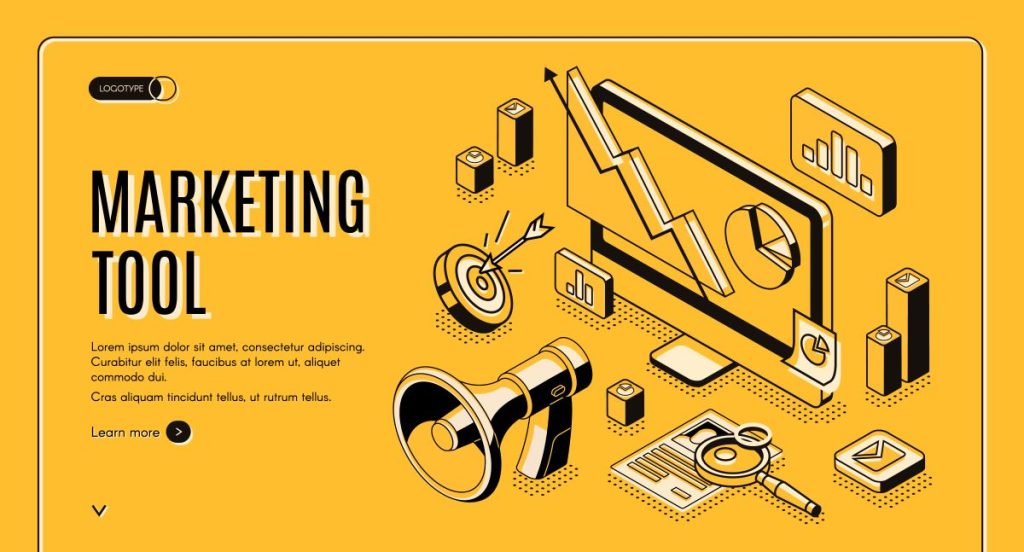
2. Generate Free Traffic with Smart Strategies
You don’t always need a budget to attract customers. Start with these practical, free marketing methods to bring your first visitors and gather early insights.
Offer Discounts or Incentives
Create a simple offer, such as a discount code or store credit, and promote it on your social channels.
For example, a jewelry brand offered a $25 store credit via LinkedIn in exchange for a short customer survey – collecting both traffic and valuable data like metal preferences and buying comfort.
Add Your Store Link Everywhere
Make sure your Shopify store URL is included in all your business and personal social profiles, such as Instagram, Facebook, and LinkedIn. Add it anywhere your audience might discover you, including email signatures, online communities, and messaging apps. Even smaller platforms can generate meaningful exposure and help drive consistent traffic to your store.
Leverage Your Personal Network
Your first few sales often come from people within your existing circle. Reach out to friends, colleagues, and acquaintances who align with your target audience through personalized messages. Even if they don’t make a purchase right away, they can help create awareness, share your store with others, and offer valuable feedback to improve your brand’s early growth.
Join Online Communities
Engage with niche communities on Reddit, Facebook Groups, LinkedIn, or Shopify’s own Community Forum. Participate genuinely, share insights, and once you’ve established credibility, share your store link or special offers.
Always contribute before you promote – authentic engagement builds lasting trust.

3. Invest in Paid Advertising for Targeted Reach
When you’re ready to scale faster, paid advertising is one of the most effective ways to reach high-intent customers. Even with a modest budget, paid ads can drive quality traffic and boost conversions.
Facebook Advertising
Facebook remains one of the most diverse platforms for targeting. You can reach people based on demographics, job titles, and interests – a powerful advantage for niche businesses.
Example:
A cat-themed T-shirt brand can target users interested in cats, memes, or online gift shops.
Instagram Advertising
With its highly engaged millennial audience, Instagram is ideal for brands with strong visuals – such as fashion, fitness, or beauty. Ads can appear in feeds and stories to drive store visits and conversions.
Pinterest Advertising
Pinterest’s audience is largely female with strong buying power. Its users actively plan and curate products, making it excellent for lifestyle and home brands. Use tall, high-quality images for Promoted Pins and link directly to your store’s product pages.
Google Ads
When customers search for specific products, Google Ads can place your Shopify store at the top of search results. Use Text Ads or Shopping Ads to showcase your products, images, and prices directly in search. If you’re new to Google Ads, consider working with a Shopify Expert to manage campaigns effectively.
4. Build Awareness Through Outreach and Partnerships
Your marketing becomes far more effective when others share your brand message. Collaborations and outreach are essential to build credibility and reach new audiences.
Guest Posts and Reviews
Write guest articles for blogs in your niche or offer free product samples in exchange for reviews. Include your business details and store link in your author bio.
Pitch Your Brand Story
If your brand has a unique mission or origin story, pitch it to relevant publications or journalists. An authentic story can earn you valuable exposure and audience trust.
Brand Partnerships
Partner with non-competing brands that share your target audience.
For example, a drink mix company could collaborate with a water bottle brand for a joint giveaway or cross-promotion.
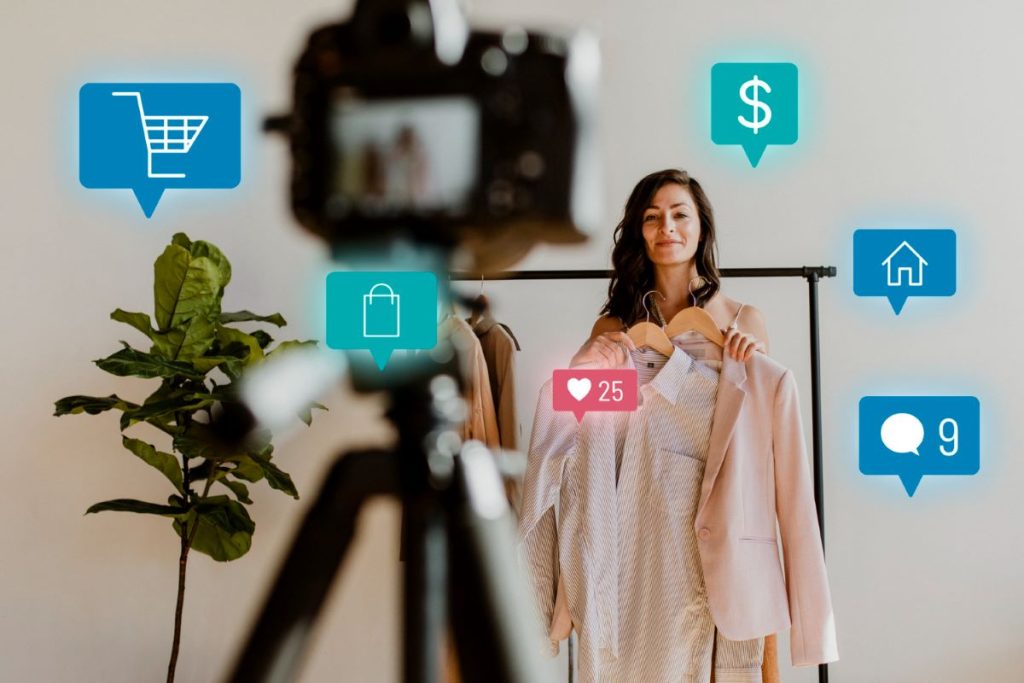
Influencer Marketing
Influencer collaborations remain one of the most cost-effective ways to build awareness. Sending your product to an influencer in exchange for a post or story can drive engagement and credibility.
Micro-influencers with loyal, niche audiences often deliver strong ROI for small Shopify businesses.
5. Analyze, Review, and Optimize Your Strategy
After implementing your marketing tactics, take a step back to assess performance. This stage is crucial for identifying what’s working and where adjustments are needed.
Use Shopify Analytics and Google Analytics to monitor metrics like bounce rate, add-to-cart activity, and abandoned checkouts.
Common insights include:
- High bounce rate: Your site might load slowly or attract irrelevant visitors.
- Low add-to-cart rate: Your pricing or product mix may need refinement.
- Abandoned carts: Review your checkout process or consider lowering shipping costs.
Apply these findings to test new approaches, run your second round of campaigns, and compare results. Data-driven decisions are key to sustainable growth.
6. Keep Testing, Keep Growing
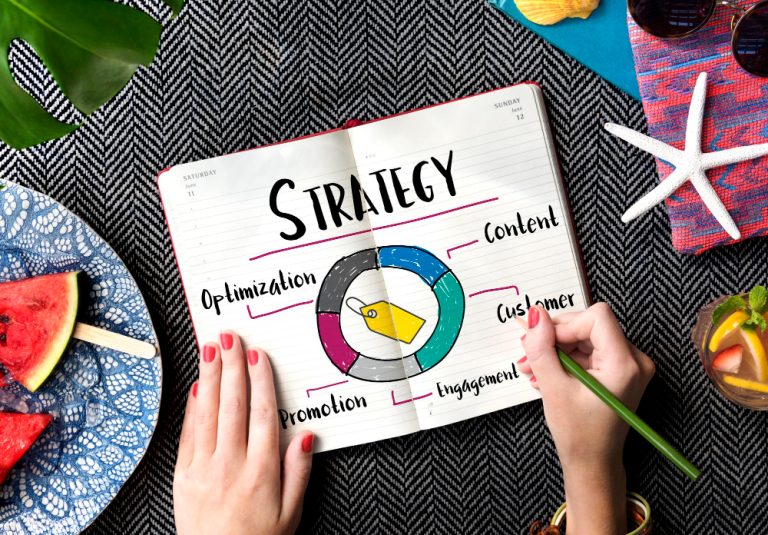
There’s no universal marketing formula – every Shopify store has its own path. The only way to discover what works best is to experiment, measure, and adapt continuously.
Marketing is about building meaningful connections between your brand and your customers. Each campaign teaches you something new about your audience’s preferences and behavior.
The more you test and learn, the faster your Shopify store will evolve into a profitable, scalable business.

Final Thoughts
Ecommerce success isn’t about being perfect – it’s about taking action and improving as you go. Every small step, from testing ads to refining your content, brings you closer to your goals.
Keep analyzing your results, learn what works, and focus on building genuine connections with your audience. When your marketing provides value and authenticity, your Shopify store becomes more than a shop – it becomes a trusted brand.
Stay consistent, stay focused, and keep experimenting – growth always follows persistence.
FAQs
Q1. Why is a marketing checklist important for Shopify stores?
A marketing checklist helps you stay organized, track your progress, and ensure you’re not missing key strategies like SEO, email marketing, or social media promotion.
Q2. What are the most effective marketing channels for Shopify stores?
The most effective channels are search engine optimization, email marketing, paid ads, and social media platforms like Instagram and Facebook.
Q3. Can small Shopify stores compete with big brands?
Yes, small stores can compete by focusing on niche markets, personalized service, and creative content marketing strategies.
Q4. Which tools help improve Shopify marketing?
Tools like Mailchimp for email marketing, Google Analytics for performance tracking, and EZ Sales Popup by WizeSaaS for conversion boosting can make a big difference.
Q5. How can I increase my Shopify store sales quickly?
Run targeted paid ads, optimize product pages, use popups for offers, and send personalized emails to drive immediate results.
Join us as you begin your Shopify journey
We are e-commerce specialists and Shopify Partners. Get in touch with us if you need assistance with Shopify, need a whole website built, or have any other general questions.