
Few things are as effective as a recommendation from a reliable source when it comes to getting people to make purchases. This is a factor in the rising popularity of influencer marketing. Social media influencer programmes are used by companies of all sizes to promote sales, reputation, and brand recognition. discover out what a social media influencer is, how to discover the best one for your business, and how to work with them in the following paragraphs.
Table of Content
- What is social media influencer?
- Types of social media influencer
- Why interact with Influencers?
- How to intreract with influencer
- Four methods to finding the ideal influencer for your brand
- Conclusion
What is social media influencer?
A social media influencer is a person with a sizable following across one or more social media platforms who is well-known for their knowledge or experience on a particular subject. They have gained trust and respect in a field, which gives them the power to influence their audience, develop trends, influence consumer behaviour, and direct debate in a particular area.
Similar to other well-known bloggers, public figures, business executives, and traditional celebrities, they are these individuals. To monetize their authority and target audience groups, many social media influencers work with businesses in partnerships. They may promote a brand over its rivals on social media by highlighting its products or services there, posting reviews or suggestions for specific products, or in some other way.
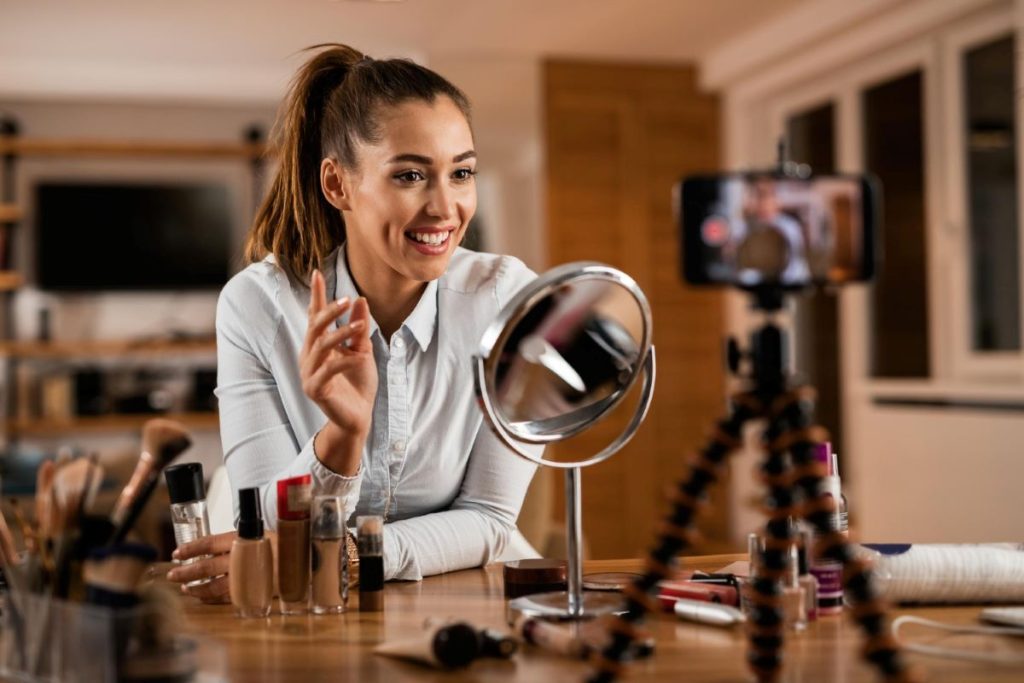
A social media influencer in the beauty industry might provide YouTube cosmetics lessons, Instagram product reviews, and a TikTok video series of time-saving life advice for makeup addicts. Any of these content streams could host brand relationships.
Influencer marketing for brands can be quite successful: In comparison to the 38% of customers who say they trust branded social media content, a research found that 61% of consumers trust recommendations from people they know, including influencers.
Types of social media influencer
Social influencers are categorised in the influencer market based on how many people follow them on social media. Here is a list of several influencer categories:
- Nano-Influencers: These influencers typically have a small, select following of between a few hundred and a few thousand people. Their impact is heavily concentrated in one particular neighbourhood.1,000 to 10,000 followers are considered nano-influencers.
- Micro-Influencers: Micro-influencers often have a smaller audience of between a few thousand and 100,000 followers. However, because of their relatability, they frequently have a more attentive and devoted following.Micro influencer have 10,001 to 100,000 followers.
- Macro-Influencers: Although less well-known than mega-influencers, these people have a sizable fan base. They frequently specialise in a narrower area of knowledge.Macro-influencers have 500,001–1million fans .
- Mega-influencers: Mega-Influencers are well-known individuals who enjoy a big social media following. They frequently have millions of fans and have a big influence on public opinion.Those with more than a million fans
Why interact with Influencers?
Brands and individuals can both benefit greatly from working with influencers. Why communicating with influencers is so important is as follows:
- Credibility and Trust: Influencers have established solid bonds with their followers by being relatable and genuine. Their followers are more likely to believe their endorsement of a good or service.
- Extended Reach: By collaborating with influencers, brands can reach audiences beyond their present fan base by tapping into the influencer’s well-established following.
- Engagement and Sincerity: Influencers provide material that connects with their followers, increasing engagement rates. In influencer marketing, authenticity is essential for fostering a genuine connection between customers and brands.
- Targeted Marketing: Brands may carefully target their targeted demographic by working with influencers in niche markets, ensuring that the correct people hear their message.
How to intreract with influencer
Developing relationships with influencers requires a calculated strategy that upholds respect and authenticity. Here’s how you communicate with influencers in an efficient way:
- Research: Conduct rigorous study to understand the content, values, and audience of an influencer before contacting them. Make sure the messaging of your brand fits their niche.
- Personalised outreach: Create communications that show the recipients that you genuinely care about their information. Authenticity is valued by influencers, so avoid using generic templates.
- Mutual benefits: Clearly state how working together will benefit both parties. Make sure it’s a win-win situation, whether it’s monetary compensation, exposure, free products, or other incentives.
- Value Proposition: Describe how your brand complements their audience and content. Highlight the distinctive qualities of your product or service that will appeal to their audience.
- Clear communication: Establish expectations early on with clear communication. To prevent misunderstandings, specify the deliverables, deadlines, and compensation in full.
- Respect Creative Freedom: Give influencers the latitude to promote your brand in a way that feels true to their personal aesthetic. The authenticity of their substance may be hampered by micromanagement.
- Log term relationship: Consider establishing long-term connections with influencers who are relevant to your brand. Genuine, continuing cooperation can produce greater outcomes than one-off projects.
- Engage Authentically: Discuss influencers’ content with them. Without expecting anything in return, sincerely like, comment on, and share their postings. This promotes connection development.
4 methods to finding the ideal influencer for your brand
- Determine your aims and target market.
- Determine your budget.
- Perform research on influencers
- Consider possible influencers
To locate the ideal candidates to collaborate with on your influencer campaign, follow these five steps.
1. Determine your goals and target market
Decide who you want to reach, and be as specific as possible because influencer marketing may be micro-targeted. For instance, you can locate an influencer well-known in that particular area if you want to increase awareness among male gamers between the ages of 18 and 35.
Establish social media campaign objectives that support your overall marketing goals. With this campaign, which metrics are you hoping to move? Do you want to increase the number of followers for your brand? entice visitors to your website? Boost the sales of a particular product? The specifics of your influencer alliances and the promotional activities you choose, such as product evaluations, tags in posts, or long-term brand ambassadorships, will be influenced by deciding what you want to accomplish.
2. Establish a budget
A collaboration with an influencer will cost more the more social media followers they have. Which tier of influencers you work with will depend on your marketing budget. Instead of paying a few carefully chosen influencers, you might think about sending your products to hundreds of them in the hopes that one will mention you if you’re new to the market or have a limited budget. Giving is a cheap strategy, but it does not ensure coverage.
3. Perform research on influencers
You can start looking into suitable partners once you’ve established goals and a spending plan. You can accomplish that by:
- Searching tools. You can find articles identifying well-known influencers in the field if you search online for “knitting influencers,” for instance. This approach is probably going to result in influencers with more social media followers. Different research techniques are more effective at locating nano- and micro-influencers.
- Social media sites. Search for pertinent hashtags and mentions of your brand or rivals on social media networks to do primary source research. You may view the most popular posts on Instagram using a certain hashtag, such as #fentibeauty #dresses or #trending. Review popular posts to identify well-known creators in your niche.
- Platforms for influencer marketing. Platforms for influencers, like Shopify Collabs, can produce lists of influencers for a given term, suggest comparable influencers, grade the quality of their audiences, and provide information about an influencer’s audience demographics.
4. Consider possible influencers
Partnerships with influencers imply synchronise your brand with all of their endeavours. Make sure your brand principles align with the person’s personal brand, which includes both their public image and political activity, before choosing them as a partner. For instance, if you discover an influencer is affiliated with a certain political party and this connection is in line with your brand’s ideals, they can become a fantastic partner.
Conclusion
Influencers have changed how modern marketing is done, giving firms a cutting-edge opportunity to interact with their target audience in a genuine way. They are a significant resource in the social media space because of their capacity to engender credibility, trust, and participation. Brands and people may fully utilise influencer marketing by comprehending the many influencer kinds, appreciating their importance, and approaching collaborations effectively. Always keep in mind that the secret to successful conversations is authenticity, respect, and a sincere desire to add value to both parties.
Join us as you begin your Shopify journey
We are e-commerce specialists and Shopify Partners. Get in touch with us if you need assistance with Shopify, need a whole website built, or have any other general questions.