

Nearly 15% of sales are made online, and that percentage is continually rising as internet shopping gradually dominates the worldwide retail business. It is vitally essential that you have a strong ecommerce website if you want your small business to ride this wave.
A well-designed e-commerce website is more than just attractive on the surface. By easing the ordering experience for customers and creating brand equity that can support your business moving ahead, if implemented effectively, it will translate into actual sales and profits for your ecommerce the business.
Table of Content
- Ecommerce website development – what is it?
- How to create an online store
- Features of effective e-commerce sites
- Options for creating an online store
- Conclusion
Ecommerce website development – what is it?
The process of carrying out the build plan for the front end and back end of your e-commerce website is known as e-commerce website development. An e-commerce website is designed and developed with a few key components that set it apart from other websites.
It contains:
- Website architecture Product catalogue
- Grocery cart
- Integration of a payment gateway Security
- SEO (search engine optimisation)
- Reactivity on mobile
- Consumer assistance
The developing of a user-friendly and secure platform for online sales is the aim of ecommerce website development. Increased revenues and conversions result from this since it increases browser trust.
How to create an online store
The ideal e-commerce website development process entails a number of processes with varied degrees of complexity, ranging from developing the site itself to expressing your company’s brand in a digital context.
1. Create your brand
Making decisions is necessary for brand establishment in an e-commerce setting. Are you running a business-to-business (B2B) or business-to-consumer (B2C) website, first of all?
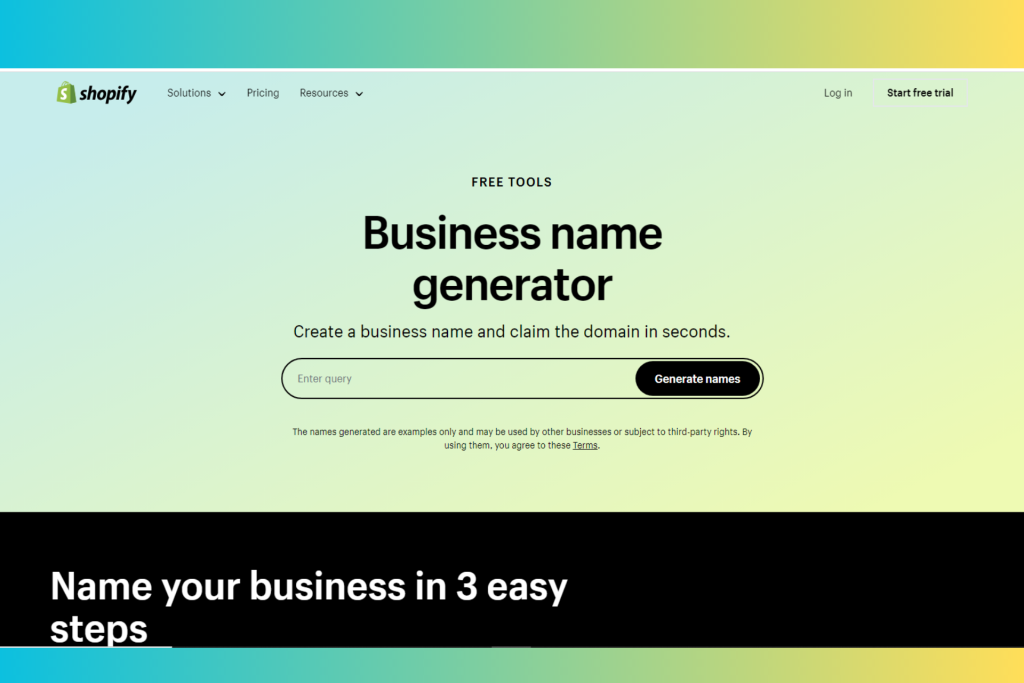
Your e-commerce project should be customised to your target audience’s wants and preferences, from the picture style to the level of detail in the product descriptions. Finally, you should think of a catchy company name—something distinctive and memorable that accurately conveys the goals of your brand.
2. Purchase a domain
When deciding on a name for your e-commerce company, you might also want to take domain name availability into account. With Shopify, purchasing a domain is simple, although popular domains occasionally sell out quickly. If the name you want is still available, attempt to secure it as soon as you can (you can choose a short-term contract of a year or two in case you’re not entirely committed).
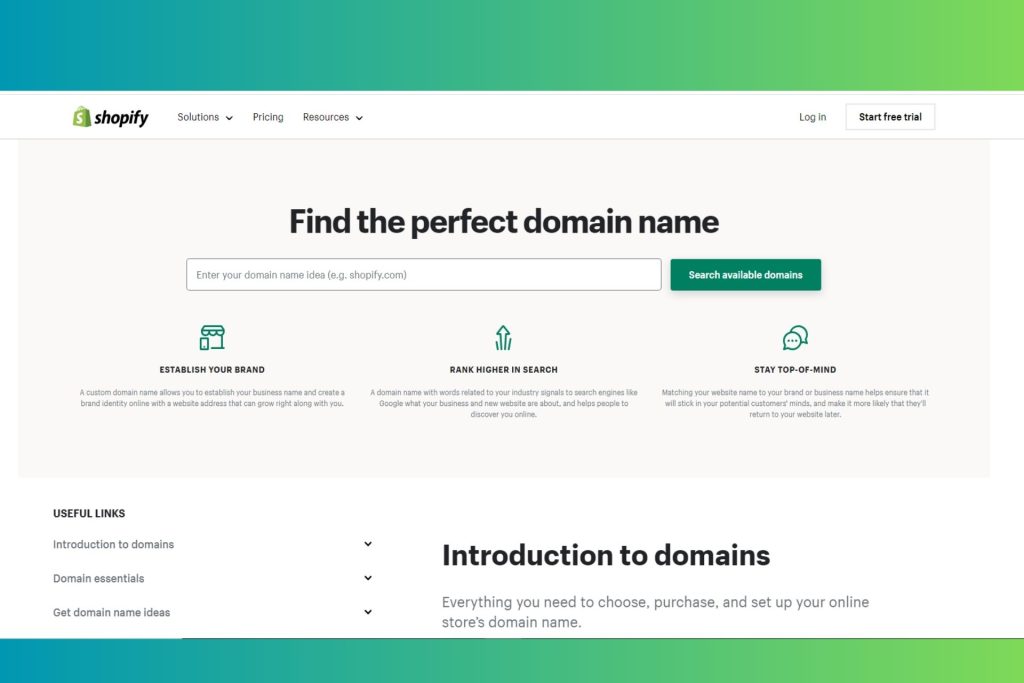
You might want to look to see what URLs are available before deciding on a company name in order to improve brand awareness and generate traffic to your e-commerce site.
3. Select a hosting platform
After acquiring your domain, you can launch your website by selecting a web host (ideally one that has an e-commerce platform) to host it.
Others offer pre-built website designs that are suitable for both desktop and mobile viewing, while some hosting services are more basic and need you to design and develop the website yourself.
4. Create your website
Beyond a recognisable logo and striking colour scheme, your website design should clearly convey the objectives of your company.
5. Determine the order fulfilment process
Which method of e-commerce fulfilment will you choose? Dropshipping (buying products directly from suppliers on behalf of clients), in-house fulfilment, or third-party logistics (completely outsourcing fulfilment processing)?
These will influence your site’s look and your ability to accept orders. Make sure your ad content sufficiently informs clients of when they may expect to get their package, for example, if you depend on a third-party logistics firm and they have a normal delivery time range.
6. Build and publish your website
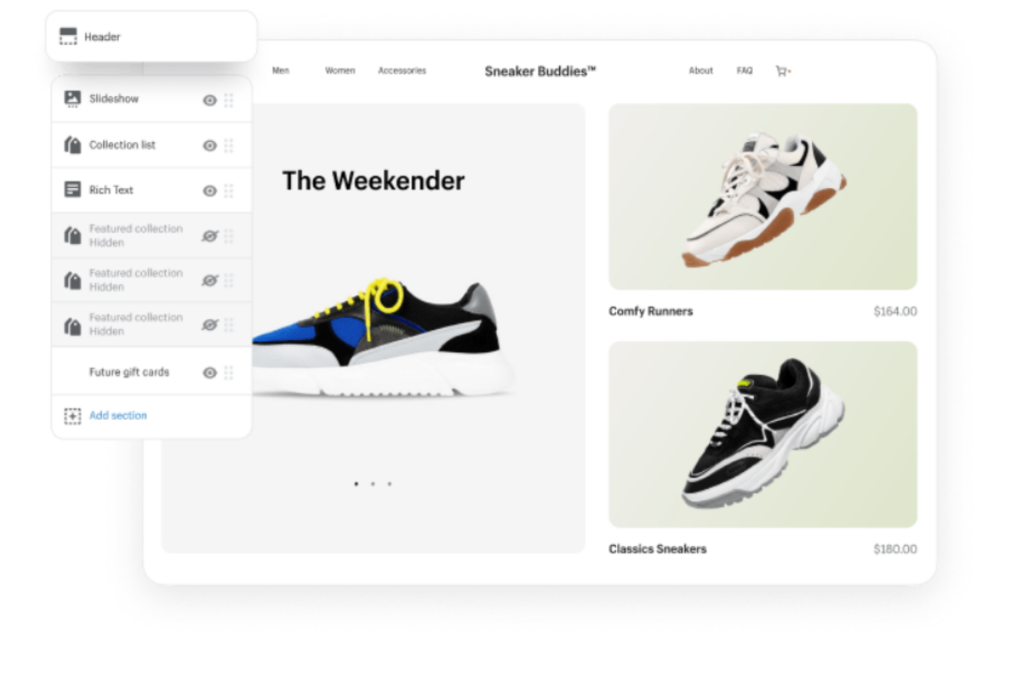
If you want to avoid paying for web development, you may design your own website using a prefab approach by dragging and dropping pre-coded content blocks and picture placeholders into a site-building interface using an ecommerce website builder like Shopify.
If you have a little extra money to spend, you can still construct your website individually with a developer, transfer it over, and then use a hosting platform like Shopify.
It’s time to launch your website once you’ve finished building it. But first, you need properly test everything to make sure everything functions as it should. Before going live, test every aspect of your website, including the checkout flow, loading time, and responsiveness to mobile devices.
Set up tracking using a platform like Google Analytics. In this manner, you can keep an eye on the functionality of your website and take data-driven decisions to enhance it over time.
7. Keep your webpage updated
To reflect changes in your inventory, product line, and any ongoing specials, your e-commerce website will need to be updated on a frequent basis.
You might discover that certain elements of your website’s design need to be changed as a result of user feedback or that it lacks functionality that you or your clients require. Ecommerce websites, in contrast to physical stores, can be modified with the click of a button.
The drag-and-drop website builder offered by Shopify makes it simple to update your website.
A successful e-commerce website is a continuous effort that develops and changes with your company; it is never completely “finished.”
Features of effective e-commerce sites
Any successful e-commerce website needs to include a number of essential components, including secure back-end coding, clickable features, and an efficient checkout process.
UI/UX that works well
An good user interface (UI) and user experience (UX) design will be present on a successful e-commerce website. Filters that enable buyers to quickly identify their chosen product or range of products, a search bar, a clean design, and legible copy are fundamental components of effective UI/UX in an ecommerce setting.
For instance, consider the Anywhere website. It’s neat, simple to use, and intuitive. People may simply find the things they’re seeking for thanks to the easy-to-use navigation. Additionally, a search option is available for shorter, more focused inquiries.
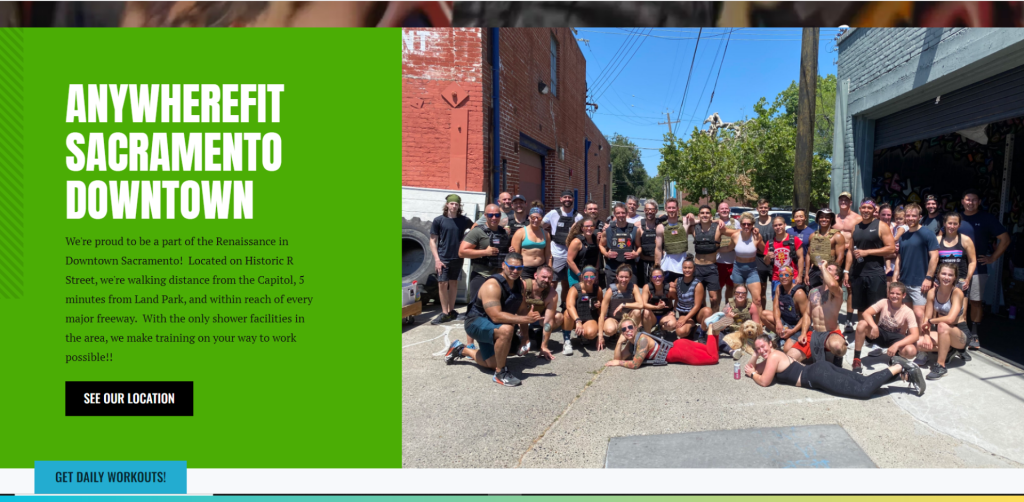
The website is totally responsive, which means that it works well on devices with different screen sizes, including mobile ones. This is an important component of the user experience given the rising trend of online buying.
Gymshark uses prominent and obvious CTAs to direct users on what to do next. Additionally, the checkout procedure is quick and easy with few steps, which lowers the likelihood of cart abandonment.
Trusted online safety
Your online store’s security, as well as the protection of any data it processes or maintains, must be top priority. You are in charge of handling the private financial data of your clients, such as their credit card numbers and mailing addresses.
The best practises for ecommerce customer security include using “transport layer security” (TLS), “secure sockets layers” (SSL), and HTTPS authentication—programs that authenticate and encrypt links between customer computers and your site. Don’t use easy-to-guess passwords on your site or any other sensitive accounts. Additionally, you can make sure that antivirus and anti-malware software is installed on all company-owned devices.
By encrypting user data, e-commerce companies like Manitobah add an extra degree of protection. They demonstrate this by utilising a URL that begins with https://, which shows that a TLS certificate has been issued, and by showing a padlock icon next to the store’s URL.
Excellent mobile experience
Internet users are using their phones more and more frequently. In light of this, more online customers are also spending more time searching on mobile devices.
By dynamically resizing your desktop site for a mobile screen, responsive design is a terrific method to improve your site’s mobile user experience. The majority of DIY web design platforms, such as Squarespace and Wix, offer responsive design by default; any web designer you employ in 2023 should have the most recent skills to fulfil your need for this design capability.
The mobile version of Shutterfly website is attractive and completely responsive, giving users of mobile devices an excellent experience. On smaller displays, every component of the website fits perfectly, and its functioning is unaffected.
Customers may easily explore different product categories and locate what they’re looking for thanks to the site’s simple navigation structure.
SEO
By enabling your site to rank higher in search engines, search engine optimisation (SEO) improves your products’ visibility and ultimately sales (also known as conversion rate).
In order to beat out your rivals in search results for your products, you can use a variety of content strategies and techniques, such as adding specific keywords to the material on your site or the descriptions of your products.

Fluid checkout process
Sales can be lost as a result of a difficult checkout process. Customers may decide not to make a purchase at all if they are required to go through protracted, difficult sign-up procedures. A guest checkout option might be added, enabling customers to make purchases with no effort from them (and with less data).
Instead of using the standard loaded shopping cart option, you might think about implementing a one-click checkout tool for consumers who have already joined up on your site and whose credit card information is stored with you (securely!).
Additionally, you can incorporate third-party payment processors like Shop Pay and Apple Pay, as well as enable clients to join up fast by connecting their Facebook or Google accounts.
Superior product images
Customers mostly use photos to visualise products you’re selling. They improve customer satisfaction and the shopping experience, both of which can boost sales.
Imagine there were two internet retailers offering the same goods at comparable costs.
Store A employs photos from a smartphone that are blurry and poorly lighted. There is no option to view the product from different perspectives, and the product’s specifics are unclear.
Consider Store B, Loreal, which displays its using lovely product images.
The ideal lighting brings out the best qualities of the product. Customers can see the product from several perspectives and get a closer look at the specifics.
If you don’t have the knowledge or tools to take high-quality pictures, think about hiring a product photographer. They can assist in emphasising your offerings in the finest way possible.
Options for creating an online store
A few solutions exist for creating e-commerce websites. Let’s examine them to see one is most suitable for you.
- Ecommerce website builders: For newcomers and those who need to launch an online store quickly, platforms like Shopify are ideal. It has built-in ecommerce capabilities including payment gateway connection, SEO tools, and inventory management and is user-friendly and doesn’t require technical knowledge.
- Ecommerce plug-ins for content management systems: For businesses with significant content requirements, such as blogging or intricate site designs, WordPress combined with WooCommerce, for instance, can be an excellent fit. To use these platforms, especially for customisation, you’ll need some technical know-how, but they provide this capabilities through plug-ins.
- Open-source e-commerce systems: Due to their high scalability and customizability, platforms like Magento and PrestaShop are ideal for larger companies with particular requirements. Although they need more technical skills to set up and maintain, they provide you complete control over your website. Open source platforms frequently demand that you handle hosting and security.
- Custom buikd website: Built-to-order websites You can customise and control your website to the fullest extent by starting from scratch with a web developer or agency. It costs the most money and takes the longest to develop.
The ideal option will rely on your needs specifically, size, price, technical know-how, and time availability for website management. Consider all these factors when choosing the best option to develop your ecommerce website.
Conclusion
Ecommerce website development is now essential for any company trying to succeed in the cutthroat industry in the digital age of 2026. A thoughtful and comprehensive strategy that includes planning, design, development, testing, and marketing is needed to build a successful e-commerce website. Businesses may deliver a superior user experience and profit from the expanding online shopping trend by keeping up with the most recent trends and implementing cutting-edge technologies. The potential for e-commerce is enormous, and companies who engage in creating solid online platforms are likely to experience long-term growth and success.
Join us as you begin your Shopify journey
We are e-commerce specialists and Shopify Partners. Get in touch with us if you need assistance with Shopify, need a whole website built, or have any other general questions.