

In the world of marketing, retaining and recruiting clients depends on excellent communication. Marketing materials are essential to this approach. It includes a broad range of tools and materials used to advertise a name, a good, or a service. This article will examine the concept of marketing collateral, the different sorts of it, and helpful tips on how to produce and use it efficiently.
Table of Content
- What is Marketing Collateral?
- How to pick the right marketing collateral
- Advice for producing powerful marketing collaterel
- Additional tips
- Conclusion
What is marketing collateral?
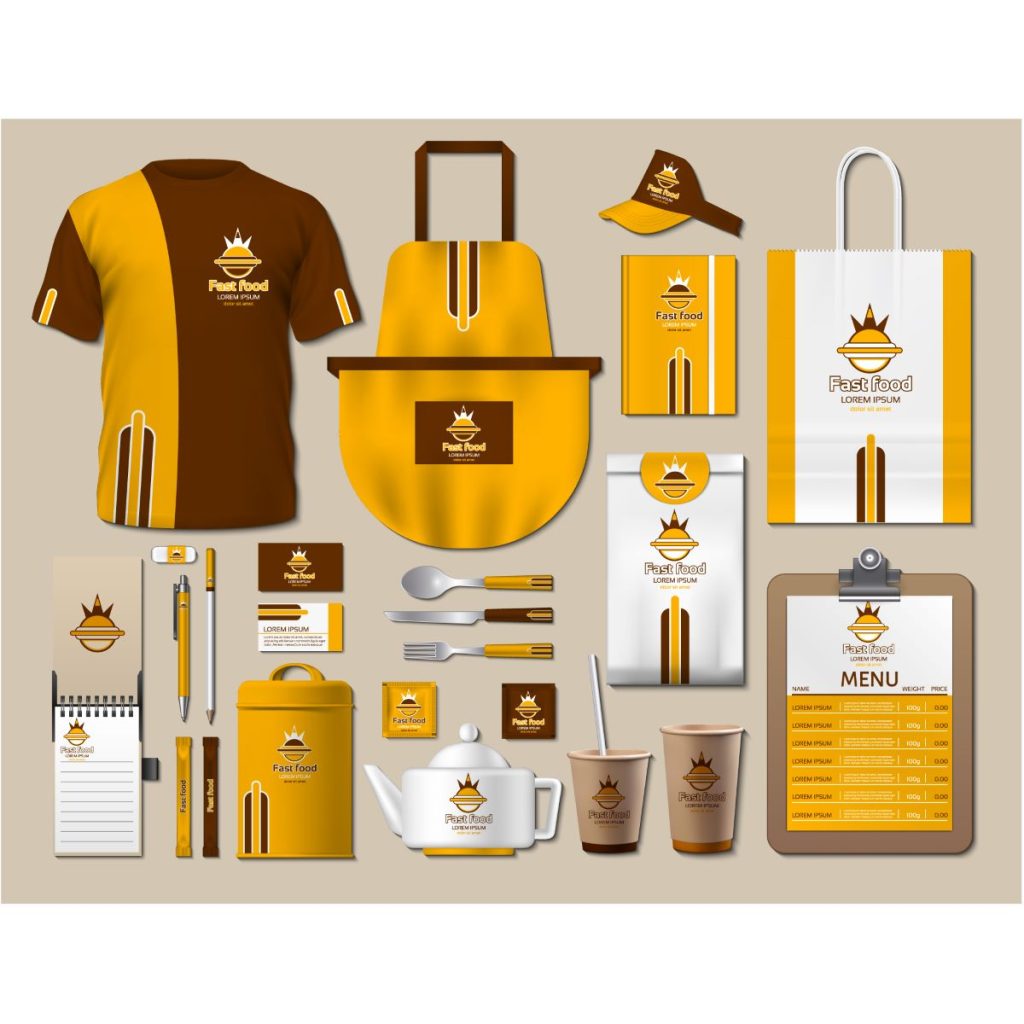
Any branded item that advertises a business, product, or service is referred to as marketing material. It can be used to create leads, inform customers, and increase brand recognition. Print, digital, and interactive media are all possible for marketing materials.
Any creative piece of media that your business utilises to market its products, services, or brand is referred to as marketing collateral.
A broad range of printed or digital products are referred to as marketing collateral. It may be fundamental to your business identification, such as your logo or mission statement, or it may be unique to a particular campaign, such as an infographic outlining the advantages of a modified lemonade mix from a health standpoint. In essence, a piece of marketing material is any communication that aids your marketing initiatives.
How to pick the right marketing collateral
Your specific aims and target market will determine the best type of marketing collateral. Create a brochure or landing page, for instance, if you’re seeking to attract prospects. You could wish to make an e-book or infographic if you’re attempting to educate your audience. Additionally, you could want to produce social media posts or videos if you’re attempting to increase brand recognition.
Types of marketing collateral
Although there are a lot of different types of marketing collateral, some of the most popular ones are as follows:
- Print collateral
- Digital collateral
- Interactive collateral
1. Print collaterel
Presentations, flyers, brochures, and catalogues fall under this category.Here are some examples of typical printed marketing materials:
a) Flyers and sales sheets
Sell sheets and brochures are brief publications that give a general description of your company, product, or service. There are no strict guidelines for size or structure, however brochures are frequently branded trifolds that give a summary of your business, while sell sheets are frequently one-page booklets that explain the advantages of a particular commodity or service.
b) Visiting cards
A practical way to spread information about your company is still using physical business cards. Along with your name, role, and contact information, you could also want to include a QR code that connects to the website of your business.
2. Digital collateral
This covers landing pages, webinars, infographics, and e-books.Several typical forms of digital marketing collateral are listed below:
a) Blog entries
Blog entries can be written to gather leads, increase brand loyalty, and benefit target audiences. For instance, you might write a lengthy blog post to increase traffic to your e-commerce site or publish a brief announcement article presenting a new product line.
b) A website
You may utilise each page on your website as a distinct piece of digital marketing collateral. For instance, product comparison pages and landing pages can target customers directly during the final stages of product decision.
3. Interactive collateral
This covers videos, games, and posts on social media.Several typical forms of inteactive marketing collateral are listed below:
a) Business cards
Small cards with important contact details and branding components used for networking.
b) Brochures
Foldable, educational materials that offer a summary of products, services, or events.
c) Flyers
One-page publications used for urgent promotions, announcements, or limited-time deals.
Advice for producing powerful marketing collaterel
Any marketing strategy must include the creation of marketing collateral. You may build great marketing materials for your business by following these guidelines:
1. Establish your goals
Do you want to introduce a new product line to your audience? publicise a forthcoming event? produce leads? For certain reasons, several types of marketing collateral are more appropriate. For instance, although an email or direct mailer are better suited for advertising an upcoming event, an ebook or white paper can help your business generate leads.
Consider the issues your marketing materials can aid in resolving as well. For instance, if clients are uncertain about a particular service, you can think about creating a collection of infographics to share through important marketing channels.
2. Know your audience
Analyse the media consumption patterns of your target market in order to focus on the marketing channels that they are most likely to use. Active social media users, for instance, might get something from online marketing materials like marketing films or downloadable case studies. The messaging and style of your assets will also benefit from consideration of the needs, preferences, and decision-making factors of your audience.

3. Integrate marketing and sales goals
The development of marketing collateral will probably involve your marketing team very closely, but what about your sales team? Effective marketing strategies take into account how various pieces of collateral will produce leads, nurture prospects along the marketing funnel, and ultimately convert their actions into sales.
In case you’re unsure, check with your sales staff to see if they have the materials required to support the sales process. Consider adding sales presentations or one-pagers to your collateral library, for instance.
4. Strengthen your company’s identity
Effective marketing collateral also strengthens your overall brand identity while giving you the freedom to experiment with style, feel, and text. To maintain brand consistency throughout all of your marketing materials, go to your brand guidelines. Examine how your brand’s image is reinforced through the visual components, messaging, tone, and voice.
5. Be creative
You can experiment with both message and form on a single piece of collateral as long as you adhere to your brand rules. For instance, if you run a kombucha business, you might distribute coasters or koozies with your company’s website and contact details on them. You can interact with consumer trends as well. If your target market is interested in astrology, you could want to write a lengthy blog article and launch a social media marketing campaign that matches the best kombucha flavour with each sign of the zodiac.

Additional tips
The following tips should be kept in mind when developing marketing collateral:
- Be brief and clear. Your marketing materials ought to be simple to read and comprehend.
- Use pictures. Text can be broken up with images to make it more interesting and engaging.
- Be convincing. Your marketing materials should persuade the reader to take a specific action, such as visiting your website, joining your email list, or buying something.
- Proofread carefully: Grammar and spelling mistakes might give your collateral an unprofessional appearance.
Conclusion
Marketing collateral is a versatile tool that gives companies the ability to clearly communicate their company identity and product offerings. Understanding the different kinds of collateral and implementing the suggestions can help you build a strong library of materials that connect with your audience, raise brand awareness, and promote commercial success. Always keep in mind that a well-designed piece of collateral may make a lasting impression and help your business stand out in a crowded marketplace.
Join us as you begin your Shopify journey
We are e-commerce specialists and Shopify Partners. Get in touch with us if you need assistance with Shopify, need a whole website built, or have any other general questions.