
Email is one of the more traditional forms of digital marketing, but it’s also one of the best, with high conversion rates in a variety of markets. In fact, compared to the typical commerce conversion rate of 2.5 to 3%, the average conversion rate for landing page traffic generated through email is above 6%. Businesses may make an average of $44 for every dollar spent on email marketing, making it a cost-effective strategy.
When someone visits your e-commerce site for the first time, getting them to provide their email address is easier than getting them to make a purchase because it doesn’t cost them anything and you may offer extra incentives like discounts or freebies.
Of course, you need an email list before you can really utilise email marketing. While your email subscriber list will expand when you start making sales, there are steps you can take right away to begin expanding your email list even before you sell your first item or subscription.
Table of Content
- What characteristics define a great email list?
- How to Easily Build an Email List
- 1. Put a sign-up button on social media
- 2. Include an opt-in form in the menu or footer of your website
- 3. Include a pop-up promotion on your homepage
- 4. Create individual landing pages
- 5. Collecting email addresses during an in-person event or at your store.
- Advanced techniques for speeding up email list growth
- Tools for managing your email list in marketing
- Additional Tips
- Conclusion
What characteristics define a great email list?
A excellent email list is the foundation of every effective email marketing campaign. If your email list isn’t correctly segmented and targeted, there’s no use in creating sophisticated email campaigns with eye-catching design, compelling language, and exclusive offers.
Your three top priorities for creating a fantastic email list that brings in sales are:
- Quality: Ask for accurate information from genuine individuals rather than purchasing email lists. Purchases are not made by bots, spam accounts, or abandoned email addresses.
- Quantity: Once you’ve completed the first two tasks, you can start concentrating on building your email list and broadening your audience reach.
- Relevance: Converting prospects who are already interested in your offering is difficult enough. Only include subscribers on your email list who are truly interested in your goods or services. A failure to do so will result in leads leaving as quickly as they came.
How to Easily Build an Email List
Email marketing is still one of the best ways to connect with your target audience in the modern digital world. But how can you start from scratch with an email list?
Here are some great strategies to get you going:
1. Put a sign-up button on social media
Keeping up with new items is the main reason cited in most surveys for why people follow brands on social media. You may provide fans another means to stay updated while luring them into more specialised email nurturing campaigns by introducing a sign-up option for email updates on your Facebook, Instagram, and other social media profiles.
The majority of social networking networks allow you to add a straightforward email registration option to your page via buttons or forms. For instance, you may encourage your fans to subscribe to your email list by including a call-to-action button on your Facebook company page.
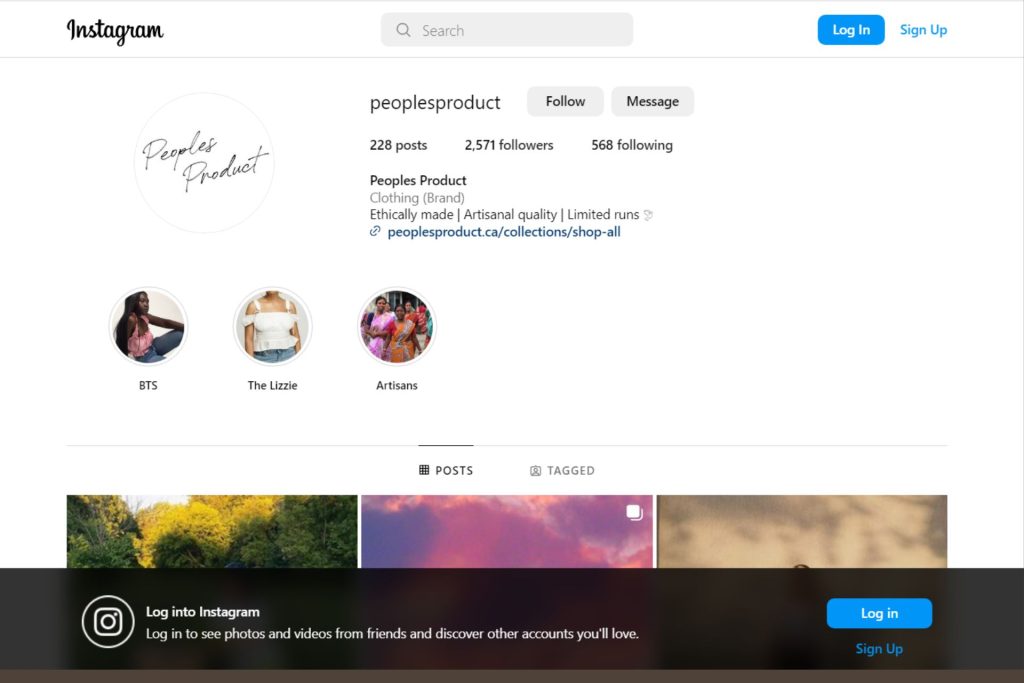
Investigate alternatives to encourage email signups for social media networks that are less conducive to links, such as Instagram. Use Linktree, for instance, to add multiple links to your Instagram bio, such as one to your e-commerce website and another to a sign-up page for your email list. So that you can generally track how successfully Instagram is influencing the growth of your list, you might want to think about segregating new subscribers added through Instagram.
2. Include an opt-in form in the menu or footer of your website
Giving visitors plenty of chances is one way to get new subscribers for your email list. Because of this, you should think about including an email registration form on each page of your website in addition to a pop-up form on the homepage or product pages.
The majority of website systems let you insert opt-in forms in the margins, navigation bar, and footer—all places where customers are likely to go for more information about your company. Your conversion rate will probably be poor overall because these forms are frequently subdued and placed below the fold. Nevertheless, the impact they provide over time to growing your list can be significant.
Make sure you provide a compelling CTA about the benefits of joining up, such as a coupon, access to special material, or frequent news and updates, to increase your conversion rate. What kinds of deals can entice a customer to subscribe as they scroll down to your website’s footer to discover more about your business?
3. Include a pop-up promotion on your homepage
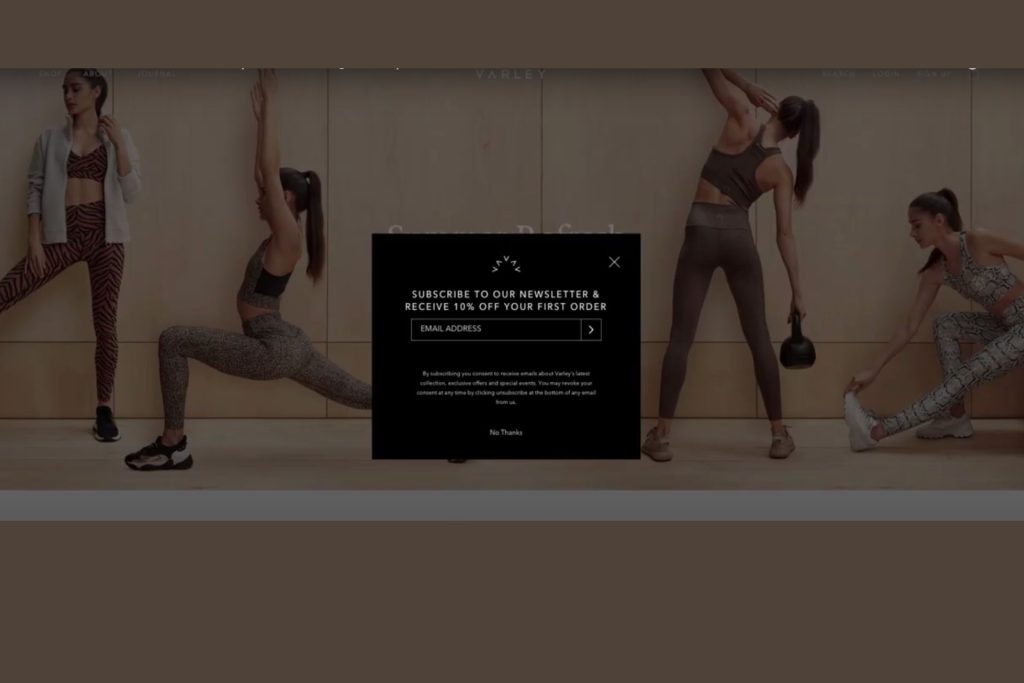
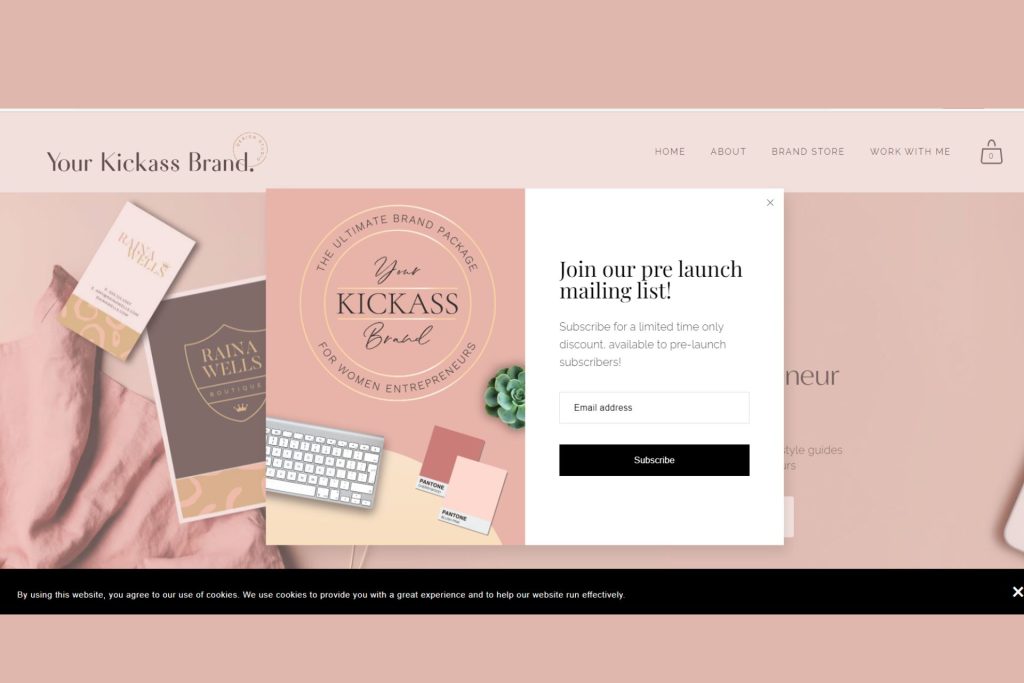
Promotional offers can be a potent weapon for converting first-time website visitors before they press the back button, even if you shouldn’t teach customers to wait for or expect discounts. You can grow your email list and avoid losing a possible transaction by using homepage pop-up forms.
If the phrase “pop up” makes you uneasy, keep in mind that pop-up forms typically convert at a rate of slightly over 3%, with the best ones converting at a rate of over 10%. These figures may significantly enhance your email signups depending on the volume of traffic to your website.
Start with an exit intent pop-up to use pop-up forms to collect emails on your e-commerce website. These won’t appear unless a visitor moves their mouse off the page, which usually indicates they want to move on to another website. For former clients and site visitors who are already on your list, you can disable these pop-ups using the targeting parameters in your preferred marketing platform. This enables you to tailor your copy just to attract new clients.
4. Create individual landing pages
There is no one-size-fits-all offer that will persuade visitors or followers to give their email addresses. Different prospects will react to various email signup CTAs depending on how they found your online business and where they are in the buying process. In light of this, you should prepare to develop a number of landing pages with opt-in forms and message each one specific to a subset of your audience.
Think about the sources of traffic to your e-commerce website before you start implementing personalised landing pages. What do Facebook users want to find? How about leads from trade shows or Amazon users? Make sure your on-page message and CTA are concise and obvious whether you’re creating a landing page for an evergreen audience or taking advantage of an occasion or holiday, Make sure your on-page messaging and CTA are understandable and consistent with the offer that initially drew potential customers to your website.
A variety of tools with simple templates are available in Shopify’s App Store to help you create, test, and publish landing pages rapidly in order to increase email signups. Individualised landing pages will be more effective in the long run than generic ones, according to research, which demonstrates that personalised calls-to-action have a 42% higher form submission rate.
5. Collecting email addresses during an in-person event or at your store.
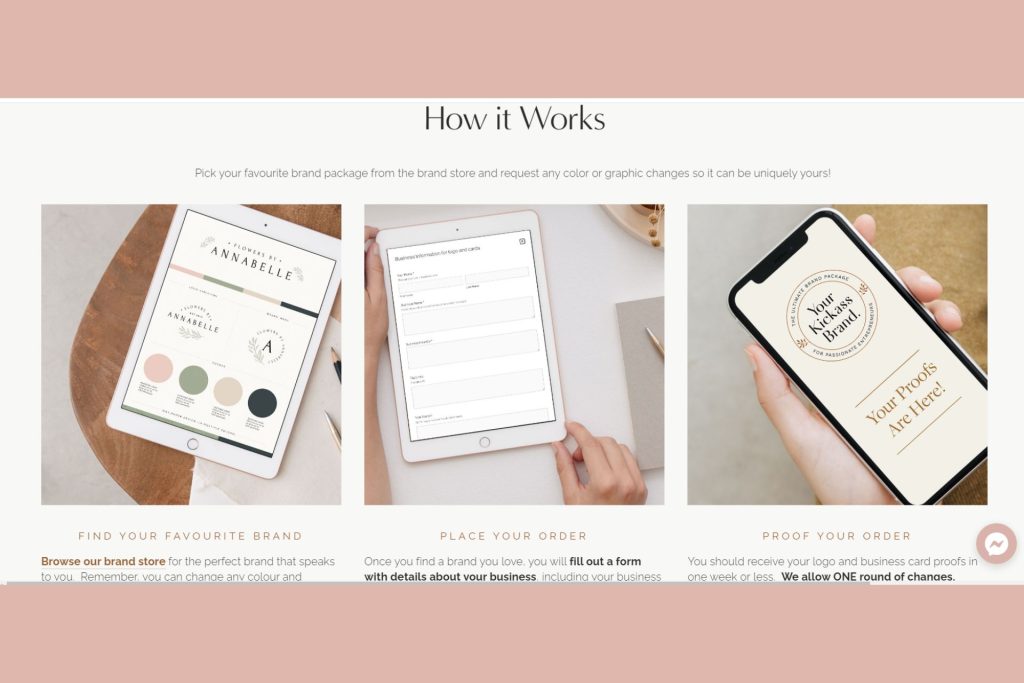
Even if a transaction doesn’t take place in person, face-to-face interactions are still the best method for turning leads into consumers. Your in-person encounters can help you expand your email list, which will result in more online purchases, whether you have a physical store or are marketing your company at an event or pop-up shop.
Keep in mind that forms frequently used for email marketing and lead generation can easily be converted from URL to IRL. To better integrate with your chosen email marketing solution, you could bring a clipboard and ask attendees to write down their names and email addresses, or you might offer an iPad where attendees may enter their information immediately. Even your business cards might have a CTA to encourage email signups.
Advanced techniques for speeding up email list growth
It’s time to consider advanced strategies to speed up the growth of your email list once you’ve established a strong base and begun gaining subscribers. Here are a few original ideas to help you advance the development of your email list.
1. Chat with potential customers using a chatbot
Although chatbot technology is still in the early stages of development, it currently provides a lot of useful capabilities to help you automate your conversation with website users. In addition to helping you produce original offers and increase email list signups, this can help you save a lot of time and effort when it comes to customer service.
You can build automatic messages for clients using Shopify Inbox (available on all plans), and you can gather information to concentrate on interactions that convert. Messaging is a very popular way for customers to communicate with brands; it may be successful where a regular landing page or lead capture form falls short.
2. Employ methods for growing email lists
You may create your email list using a variety of simple programmes, some of which provide tried and true strategies creative new spins. Shopify Forms is a free tool that aids in lead generation and marketing list expansion. Here are a few additional third-party tools to take into account:
3. Research your target market
Additional tips
The long-term benefits of building an email list outweigh the time and effort required to do so. A well-maintained email list is a useful resource that may help in business expansion and audience outreach.
Here are some additional ideas to make it simple for you to grow your email list:
- Ensure that your opt-in forms are precise and short.
- Apply compelling calls to action.
- Give subscribers access to unique content or discounts.
- Make your emails more unique.
- Send stuff that is useful and relevant.
- Keep track of your outcomes and adjust as necessary.
- You may create an email list that will assist you in achieving your company objectives by using the advice in this article.
Tools for managing your email list in marketing
It’s crucial to invest in tools and platforms to assist you in managing, organising, and utilising your data when your email list expands from a small number of members to a few thousand. To help you get started, here are a few email marketing options.
MailChimp
MailChimp : The free plan from MailChimp starts with the ability to create simple email templates and includes options for scheduling and automation. More premium email templates are available with a paid subscription, along with more sophisticated capabilities that can offer you information about your email list and campaigns.
Shopify Email
Shopify Email :Look no farther than Shopify Email, the company’s own email marketing service, if you need to grow an email list for your online store. You can use Shopify Email to automate critical marketing processes using pre-built automation templates, develop your email list, and gather leads for free with Shopify Forms—all from within your current Shopify account. Shopify Email is the ideal tool to assist you start using your email list for marketing purposes because the first 10,000 emails you send each month are free, and there are reasonable prices beyond that.
Zapier
Zaiper :Finding a way to smoothly integrate all of the many platforms and technologies you’re utilising to run your online business is one of the most difficult components of establishing and monetizing an email list. Without hiring a software developer, Zapier enables you to build automated workflows that bridge the gaps between your tools. The manual work of maintaining your lists can be eliminated by using Zapier’s workflows to automatically add new email subscribers from social media, landing pages, survey tools, or live events into your email database.
Conclusion
It takes time, work, and consistency to build an email list from scratch, but the benefits are worthwhile. You may build a thriving community of enthusiastic subscribers by identifying your target market, producing excellent content, and using a variety of email address collection techniques. Your email list will grow into a valuable resource for your company or blog if you always remember to add content and respect your members’ preferences. Creating lists is fun!
Join us as you begin your Shopify journey
We are e-commerce specialists and Shopify Partners. Get in touch with us if you need assistance with Shopify, need a whole website built, or have any other general questions.