
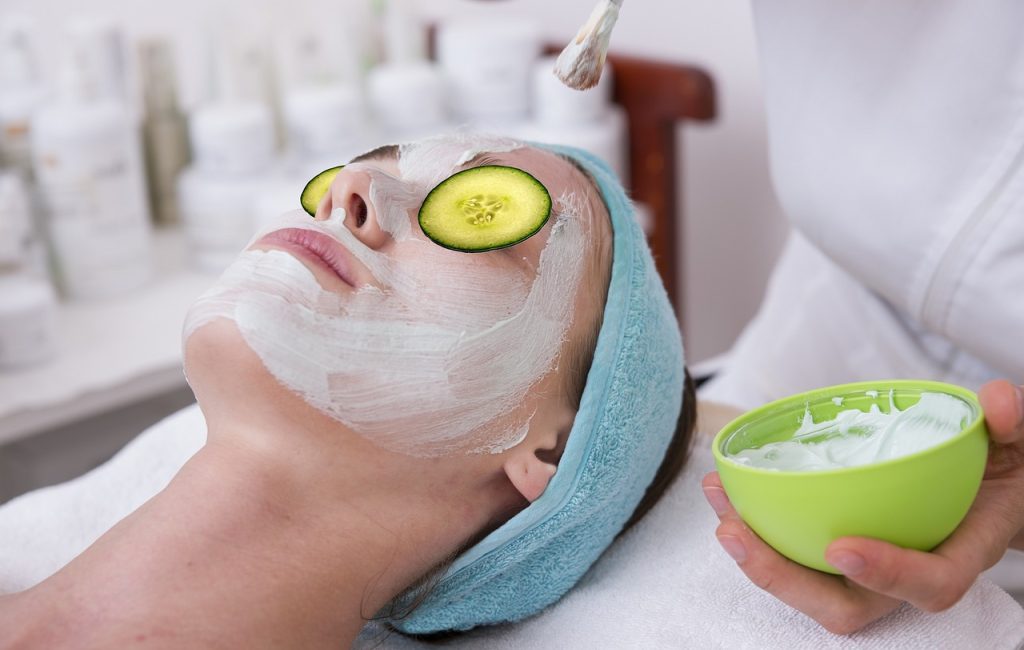
Maintaining a beautiful, bright complexion requires more than simply utilizing the best skincare products; it also includes applying them in the proper order. When properly layered, each product penetrates your skin effectively, allowing it to reap the full advantages of your routine. In this tutorial, we’ll walk you through a daily skincare routine, explain why the order is important, and provide crucial suggestions for maximizing the performance of your skincare products.
Taking care of your skin is essential for both beauty and general health. However, it is important not only to use the right products, but also to apply them correctly. Each product type has a distinct purpose in your skincare routine, and the sequence and manner with which you apply them can have a big impact on their effectiveness.
You don’t need an elaborate 10-step skincare program. A cleanser, moisturizer, and sunscreen are the most basic elements of any skincare regimen. This keeps your skin clean, nourished, and sun-protected, and using fewer products reduces the chance of irritation and reactions.1 However, if you want to add more products to your routine to address specific skin conditions, this is the best order to apply them.
Table of Content
- Understand Your Skin Type
- Why does the order of skincare products important?
- Step-by-Step Guide for Skincare Application
- Step 1. Cleanser; The First Step to Any Routine
- Step 2. Toner or Essence: Prep and Hydrate
- Step 3. Serums: Targeted Treatment
- Step 4. Eye Cream for a Bright-Eyed Look
- Step 5. Moisturizer: Locking in Hydration
- Step 6. Sunscreen: Protection is Key
- How Much Product to Use?
- Importance of Proper Product Application
- Pro Tips for Maximizing Skincare Benefits
- Frequently Asked Questions
- Final Thoughts
Understand Your Skin Type
Before you start using products, you need to know your skin type. There are five basic skin types:
- 1. Normal – Balanced skin that is neither greasy or dry.
- 2. Dry – Lack of moisture can cause skin feel patchy or tight.
- 3. Oily – Excessive oil production causes shine and increases the risk of acne.
- 4. Combination – Skin that is oily in some spots (typically the T-zone) but dry elsewhere.
- 5. Sensitive – Skin is easily irritated and reddened. Sensitve skin is easily irritated and reddened.
Knowing your skin type will help you select the right products and make your skincare routine.
Why does the order of skincare products important?
Step-by-Step Guide for Skincare Application
Step 1. Cleanser: The First Step to Any Routine
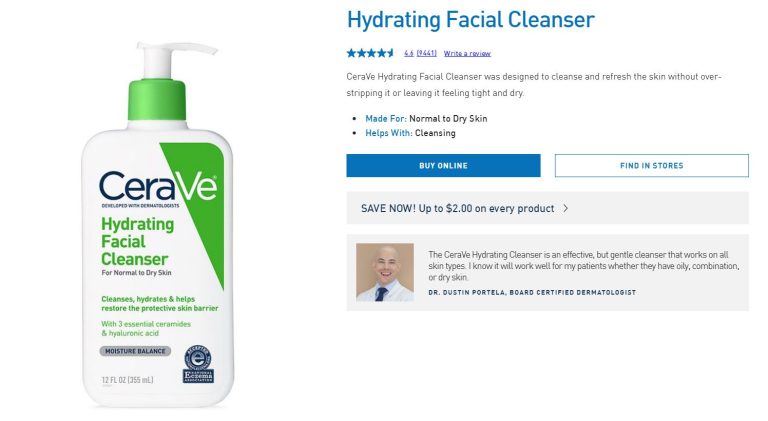
Washing your face is always the first step in your skincare routine. Begin with a gentle cleanser to remove impurities, oil, and makeup from your skin. This enables the remaining skincare products to penetrate more effectively.
When selecting a cleanser, choose one that is mild, alcohol-free, and nonabrasive. These cleansers will not remove too many skin oils, which help you maintain a healthy skin layer. However, certain skin types may demand additional moisturizing or oil-reducing substances.
Purpose:
Remove dirt, oil, makeup, and pollutants from the skin.
How to Apply:
Start by wetting your face with lukewarm water. Use a nickel-sized amount of cleanser on your hands and gently massage it into your skin in circular motion. Avoid rubbing too forcefully, particularly near the sensitive eye area. Rinse completely with lukewarm water, then wipe your face dry with a clean towel.
Pro Tip:
For morning routines, choose a gentle cleanser. However, if you wear makeup or sunscreen in the evening, consider double-cleansing with an oil-based cleanser followed by a water-based cleanser.
Recommended Products:
Step 2. Toner or Essence: Prep and Hydrate
A toner or essence balances the pH of your skin after cleansing, hydrating it and preparing it to absorb serums and treatments more effectively.
A toner is not always necessary, but it can enhance your skincare routine. Toners can help remove excess oil and impurities after cleansing, leaving your skin more prepared for future products. Toners can also moisturize dry skin and promote a healthy skin pH, which can help prevent acne.
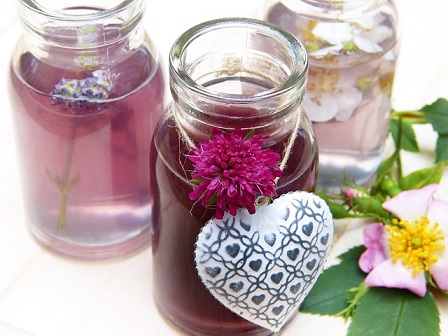
If you have dry or sensitive skin, Goldman recommends using moisturizing toners with hyaluronic acid or rosewater. Oily and acne-prone skin types may benefit from astringent toners, which contain chemicals that eliminate excess oil, such as salicylic acid or witch hazel.
Purpose:
To adjust the skin’s pH and prepare it for future treatments.
How to Apply:
Apply a few drops of toner to a cotton pad or your hands, then gently press them into your face and neck. Avoid rubbing because it can irritate the skin. A toner hydrates and refreshes the skin, especially if your cleanser has left it feeling tight.
Pro Tip:
To avoid over-exfoliation, only use an exfoliating toner containing active ingredients such as AHAs or BHAs in the nighttime regimen.
Recommended Products:
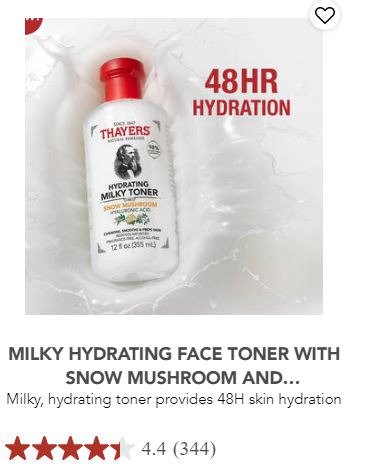
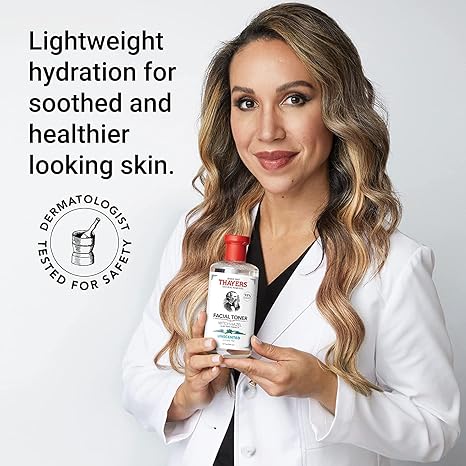
Thayers Alcohol-Free Witch Hazel Toner — A basic, mild toner including aloe and witch hazel.
Step 3. Serums: Targeted Treatment
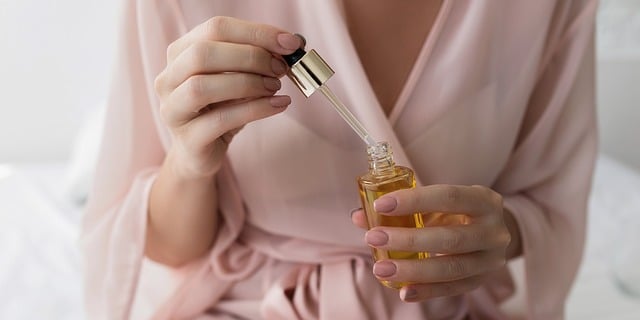
Serums are highly concentrated solutions that address specific skin concerns, such as hydration, anti-aging, or brightening. The proper serum should meet your skin’s specific requirements.
Serums absorb quickly and should be applied straight to the skin’s surface after cleansing or toning. Serums refer to skin care products that have a high concentration of an active component.
Vitamin C helps to lighten skin, soften wrinkles, and reduce hyperpigmentation. Niacinimide helps to smooth fine wrinkles, minimize acne, shrink pores, control oil production, and brighten the face.Vitamin E, hyaluronic acid, peptides, ceramides, and glycerin aid to hydrate and seal in moisture. Alpha hydroxy acids (AHAs), including as glycolic acid and lactic acid, aid to moisturize, exfoliate, and smooth fine wrinkles.
These solutions are often lightweight and water-based, allowing them to penetrate the skin to enhance hydration, brightness, and other skin concerns. Vitamin C, niacinamide, anti-aging, and moisturizing serums are among the most popular.
Purpose:
To deliver concentrated nutrients like as antioxidants, peptides, and hyaluronic acid to the skin.
How to Apply:
Drop a few drops of serum on your fingers and gently press them into your skin, concentrating on areas that require particular care, such as fine wrinkles or pigmentation spots. Patting the serum in rather than rubbing causes the product to penetrate more deeply.
Pro Tip:
Allow the serum to fully absorb (typically 1-2 minutes) before proceeding to the next step. This gives your skin enough time to absorb all of the benefits.
Recommended products:
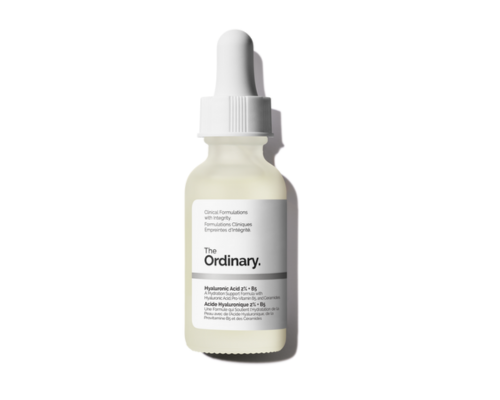
The Ordinary Hyaluronic Acid 2% + B5 — A moisturizing serum that moisturizes and soothes. This anti-aging serum is great for brightening and preserving your skin from environmental harm.
Step 4: Eye Cream for a Bright-Eyed Look
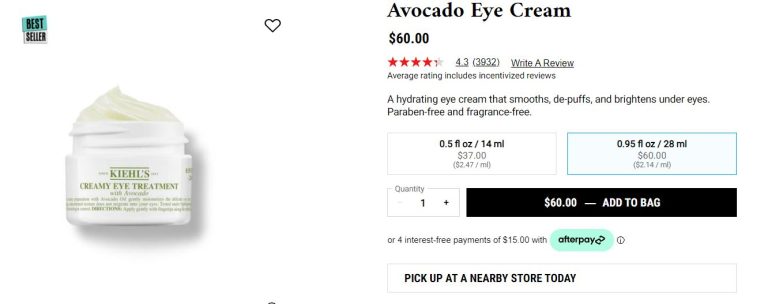
The skin around your eyes is delicate and may require a specialised lotion to avoid puffiness, dark circles, and wrinkles. Avocado oil provides a healthy choice for hydrating and brightening.

If you use an eye cream, apply it after any treatments to assist it absorb easier due to its thick nature. While you do not require an eye cream, it can help add moisture and hydration to the sensitive skin around your eyes, which is prone to wrinkles and sun damage.
Purpose:
To treat the sensitive skin around the eyes, which is prone to dryness, puffiness, and fine wrinkles.
How to Apply:
Use your ring finger (the weakest finger for the most delicate area) to dab a pea-sized dollop of eye cream under your eyes and around the orbital bone. To avoid irritation, do not apply straight to the lash line. To avoid stretching the skin, gently pat the cream in instead of rubbing it.
Pro Tips:
Keep your eye cream in the fridge to help with de-puffing in the morning.
Recommended products:
Kiehl’s Creamy Eye Treatment with Avocado — Avocado oil provides a healthy choice for hydrating and brightening. Eye Cream is effective for reducing dark circles and puffiness, making it suitable for daily usage.
Step 5: Moisturizer; Locking in Hydration
Moisturizers lock in skincare products and moisturize the skin, which is necessary for all skin types.
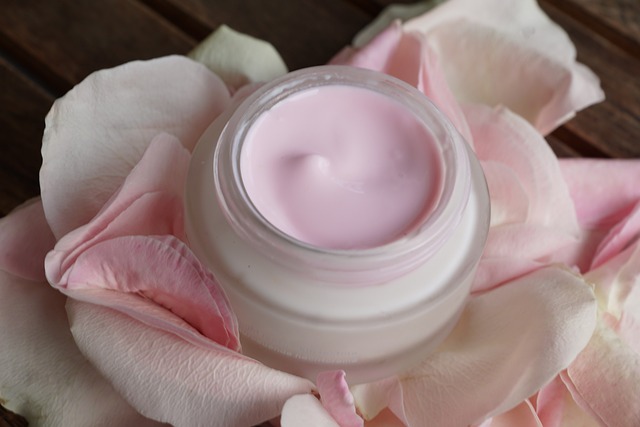
Moisturizers normally have a thicker consistency and should be applied after lighter serums or treatments. If you’re following a bare-minimum skincare routine, apply moisturizer after cleaning. Moisturizers are intended to increase the amount of water in your skin and rebuild your skin barrier; however, they also seal your skin and may prevent thinner products from fully absorbing. People with dry skin should look for moisturizers with ingredients like ceramides, glycerin, or shea butter for intense hydration.
Purpose:
To retain hydration, provide a protective barrier, and keep skin smooth and soft.
How to Apply:
Warm a tiny quantity of moisturizer between your fingers before applying to your face. Gently massage it in with upward strokes, concentrating on areas that feel dry or tight.
Pro Tip:
For oily skin, a lightweight gel moisturizer may be a better option, whilst drier skin types benefit from a heavier cream. Before moving to the next step, ensure that your moisturizer has been totally absorbed.
Recommended Products:
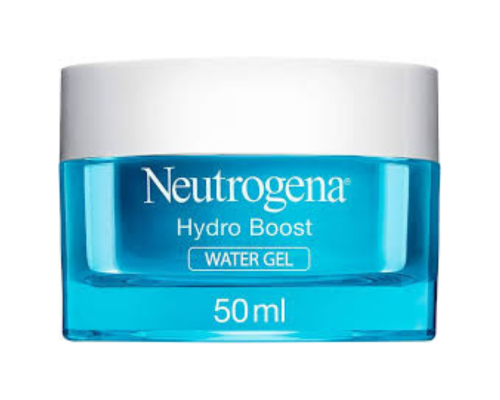
Neutrogena Hydro Boost Water Gel — Neutrogena Hydro Boost Water Gel is praised for its moisturizing effects, and its light, gel-like consistency makes it excellent for those seeking a quick-absorbing, refreshing moisturizer.
Step 6. Sunscreen: Protection is Key
Sunscreen is an essential role of any skincare routine since it protects against dangerous UV rays, prevents premature aging, and lowers the chance of developing skin cancer.

Sunscreen should always be the final step in your daytime skincare routine. Daily use protects your skin from ultraviolet (UV) radiation, which cause skin cancer and premature aging indications such as sunspots and wrinkles. Chemical sunscreens take approximately 15 minutes to absorb, whereas mineral sunscreens act immediately. For both, reapply every two hours.
Purpose:
To shield the skin from damaging UV rays, which cause aging and raise the risk of skin cancer.
How to Apply:
Apply a generous amount of sunscreen to your face, neck, and any exposed skin. Don’t skimp on sunscreen; a nickel-sized dose for your face and neck is usually enough. Gently rub it in until it is completely absorbed. If you plan to be outside for an extended period of time, reapply every two hours.
Pro Tip:
For further protection, choose a broad-spectrum sunscreen with SPF 30 or higher. Sunscreen should always be the last step of your morning skincare routine.
Recommended Products:
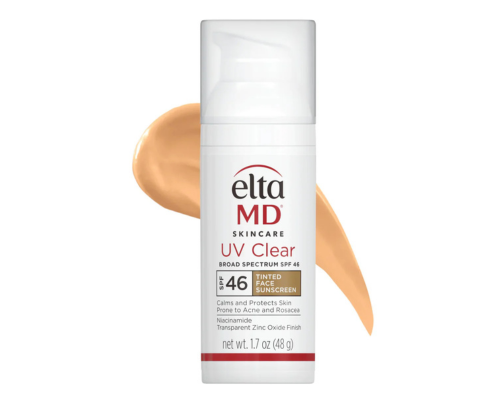
EltaMD UV Clear Broad-Spectrum SPF 46 — A lightweight, undetectable finish that works for all skin types. Ideal for sensitive and acne-prone skin.
How Much Product to Use?
Applying the right amount of product is just as important as applying it in the correct order. Here is a point of reference:
- Cleanser: A dime-sized quantity.
- Toner: A few drops or splash (apply with a cotton pad or your hands).
- Serum: 1-2 pumps, or a pea-sized amount.
- Eye Cream: Use a rice grain-sized amount per eye.
- Moisturizer: Use a nickel-sized amount on the face.
- Sunscreen: Apply about a teaspoon to the face and neck.
Importance of Proper Product Application
Applying skincare products in the proper order can significantly improve their effectiveness. When applied correctly, each product absorbs more efficiently, providing the best potential effects. Imagine your skin to be a sponge: using the lightest, most watery items first allows for maximum absorption with no barrier. Heavier, cream-based products should be applied later to seal in moisture and form a protective layer.

Pro Tips for Maximizing Skincare Benefits
- Patch-Testing New Products: To minimize allergic reactions, always test new products on a tiny area of skin before using them into your routine.
- Be Patient with benefits: Most skincare products require a few weeks to provide apparent benefits. Stick to your schedule and avoid switching things too often.
- Use Patting Motions: Gently patting products into the skin instead of rubbing reduces friction and increases absorption.
- Customize according to your skin type: If you have sensitive skin, look for for fragrance-free, hypoallergenic products. For oily skin, use lightweight, oil-free products, while for dry skin, look for products with moisturizing ingredients.
- Don’t Forget the Neck and Chest: They are just as easily affected by aging and sun damage as the face. Extend your skincare routine to the neck and chest for a look that looks younger.
Frequently Asked Questions
- Q1: How long should I wait between skincare steps?
- A: Allow 1-2 minutes for products to absorb. When in a hurry, apply each coat until it no longer feels damp or tacky before moving.
- Q2: Can I use the same amount of each product in every season?
- A: Change the quantity and variety of items depending on the season. Use thicker creams in the winter and thinner gels or lotions in the summer.
- Q3: Should I apply products by hand or using tools?
- A: Keeping clean hands is both beneficial and convenient. Tools such as jade rollers can improve absorption and provide a relaxing effect, but they are optional.
Final Thoughts
Skincare is a process that evolves as your skin changes, and understanding how to apply products correctly is important for achieving the best results. A practice that includes gentle application, appropriate proportions, and patience will help you achieve healthy, glowing skin. Remember that consistency is essential—give your skin time to respond and adjust your routine according to how it feels.
Happy skincare!
Join us as you begin your Shopify journey
We are e-commerce specialists and Shopify Partners. Get in touch with us if you need assistance with Shopify, need a whole website built, or have any other general questions.