

Niche markets allow entrepreneurs to target specialized, underserved customers with tailored products or services. This method not only promotes stronger relationships with clients, but it also minimizes competition and creates new opportunities. If you want to appeal to a large audience, you’ll probably have to manufacture many products or serve multiple industries – and becoming a leader in your field will be a particularly difficult task.
Selling into a niche market allows you to concentrate on what you do, shape your business around your passion, and target an audience you are familiar with. Let’s take a look at niche markets, including examples, benefits, and effective decisions for selecting the right niche for your business.
Table of Content
- What is a Niche Market?
- Examples of Successful Niche Markets
- Benefits of Targeting A Niche Market
- Expert Insights on Niche Market Success
- How to Find Your Niche Market
- Final Thoughts
What is a Niche Market?
A niche market is a segment of a larger market defined by unique requirements, preferences, or identification guidelines. Rather of trying to appeal to a general audience, businesses search for a niche market focus on a smaller, specifically targeted group of customers. When your company offers specific products and services rather than a wide variety of options, you save money and increase productivity. You will also gain a comparative advantage over your generalist competition.
For example:
- Fitness Industry: Plus-size women’s yoga outfits.
- Food Industry: Vegan and gluten-free desserts.
- Technology: Tools that help freelance graphic designers be more productive.
- Travel: Eco-friendly adventure trips for single female travellers.
Businesses that cater to these specialized groups can build highly customized offerings that engage strongly with their customers.
Examples of Successful Niche Markets
Eco-friendly and Sustainable Products
Allbirds and Patagonia specialize in environmentally responsible clothing and footwear. Their target audience is made up of environmentally conscious people prepared to pay a premium for sustainability.
Why it works: The increased awareness of changing climates and environmental challenges has resulted in a high demand for products that reflect customers’ values of ethics.

Vegan and Allergy-Free Foods
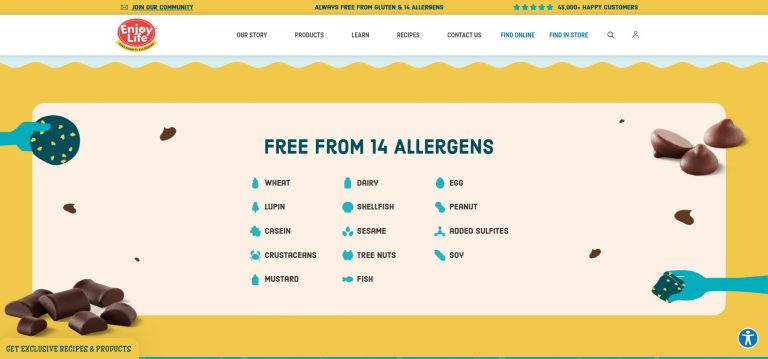
Brands such as Enjoy Life Foods offer to customers with dietary limitations by providing allergy-free foods and snacks.
Why It Works: With the development of food allergies and vegan lifestyles, this niche fills an increasing demand for safe and ethical food choices.
Gaming Accessories for Specific Platforms
Scuf Gaming provides custom controllers and accessories for esports lovers and professional gamers.
Why It Works: The gaming industry has expanded rapidly, and players are eager to invest in specialist tools to improve their performance.

Pet Accessories for Exotic Animals
Businesses like Custom Cages focus on designing specialized cages and equipment for exotic pets like birds, reptiles, and smaller mammals.
Why It Works: Exotic pet owners frequently struggle to find acceptable supplies in standard pet stores, making this a profitable niche.

Personalized Learning Platforms for Niche Skills
Websites like MasterClass and Skillshare provide classes in specialized fields such as screenplay writing, interior design, and even bread baking.
Why It Works: There is growing interest for lifelong learning and skill development, particularly in unique and creative activities.

Benefits of Targeting A Niche Market
A niche market focuses on a specific group of customers who have unique preferences, demands, or features. This method, while frequently overlooked in favor of bigger, mainstream audiences, provides various benefits that can have a major effect on a company’s success and life expectancy. Here, we explore further into the specific benefits of targeting specialized markets.
Reduced Competition
One of the most quick benefits of supplying a specialized market is a reduction in competition. Major marketplaces are full with established players who control the space, making it difficult for newcomers to set up an online presence. In contrast, niche markets frequently have fewer competitors since they offer to a smaller, more focused the customer. By focusing on a certain specialty, businesses may carve out their own area and position themselves as leaders without constantly competing with larger competitors.
For example:
A business that specializes in eco-friendly, vegan pet food has less competition than a typical pet food company, allowing it to stand out and establish a loyal customer base.
Increased Customer Loyalty
Niche markets thrive on customization and meeting the particular needs of their customers. When companies show an extensive knowledge of their target audience, they build trust and loyalty. Customers in narrow markets frequently experience greater appreciation due to their specific needs are met—a rarity in larger marketplaces.
For example:
A fitness brand targeting postpartum mothers can establish a dedicated following by adapting its products and content to meet specific difficulties faced by this group of women, such as post-pregnancy weight reduction and mental health support.
Higher Profit Margins
Customers in niche markets are frequently willing to pay a premium for products or services that address their specific requirements. This allows enterprises to charge higher rates and achieve higher profit margins than mass-market products.
Example:
Customers want the ideal fit and equality, therefore a bespoke tailoring company catering to plus-sized customers may charge higher rates for its suited services.
Stronger Brand Identity
Operating in a niche market allows you to build a unique and individual brand identity. Businesses with a specific target audience can create communication, graphics, and experiences that resonate strongly with their clients, identifying themselves from generic competition.
For example:
A company that makes luxury candles based on historical events might create a unique brand that appeals to history lovers and collectors.
Improved Community Engagement
Niche markets usually include connected groups. Businesses that actively participate with these groups via social media, events, or collaborations can build strong connections and a sense of community among customers.
For example:
An organic skincare business targeting rosacea patients can focus its marketing efforts on skin condition-specific websites, blogs, and social media groups, ensuring that its message reaches the target audience.

Expert Insights on Niche Market Success
Deeply Understand Your Audience
According to Julie Nguyen, the owner of an artisanal vegan cheese company “Empathy is essential for success in a niche market. Dive deep to understand your audience’s problems, desires, and motivations“.
Solve a Specific Problem.
According to Seth Godin, a marketing expert and author, “People do not buy products and services. They purchase solutions to problems. Concentrate on fixing a very particular problem for your audience”.
Embrace Authenticity
Simon Sinek, a leadership specialist, emphasizes the value of authenticity: “Your why matters. Customers align with businesses that share their values and mission” .

How to Find Your Niche Market
Identifying your niche market requires research, self-awareness and strategic planning. Take these steps:
1. Evaluate your interests and strengths
Begin by defining your passions, talents, and experiences. What do you enjoy? Where do you excel? A niche market that meets your interests can keep you motivated and inspired.
2. Analyze competitors
Look into competitors in your potential niche. Identify their strengths as well as their weaknesses. Use this knowledge to differentiate your offering.
3. Research market gaps
Look for missing requirements in the broader market. Surveys, forums, and customer feedback can help you identify problems and opportunities.
4. Define your target audience
Create a detailed profile of your ideal client. Consider age, gender, locality, income, hobbies, and values.
5. Test Your Idea
Before making a full commitment, test your concept with a limited audience. Launch a working model or trial project to collect feedback and improve your approach.

Final Thoughts
As an experienced entrepreneur, you know that success is rarely achieved independently. By employing professional insights, you may confidently and clearly manage the complicated aspects of entrepreneurship. The benefits are numerous, including saving time and resources to encouraging innovation and establishing credibility.
Start by identifying your needs, researching networks, and connecting with industry leaders. Remember that the correct insights may turn challenges into opportunities, and ideas into meaningful actions. So, take responsibility and find the right experts immediately; your entrepreneurial journey will thank you. for it.
Join us as you begin your Shopify journey
We are e-commerce specialists and Shopify Partners. Get in touch with us if you need assistance with Shopify, need a whole website built, or have any other general questions.